How Defibrillators Help Save Lives Every Day
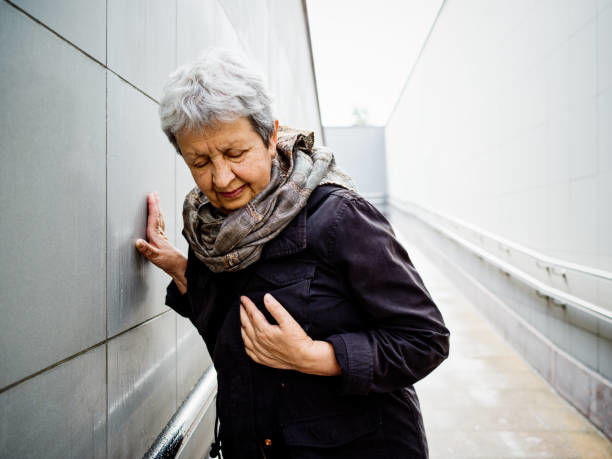
When a cardiac emergency happens, every second matters. Defibrillators, also known as Automated External Defibrillators (AEDs), are life-saving devices designed to restore a normal heartbeat during sudden cardiac arrest. Their fast and effective response can dramatically improve a person’s chance of survival.
Today, AEDs are becoming increasingly common in workplaces, schools, sporting venues, and public spaces because they are simple to use and can be operated by everyday people with little or no medical training.
Understanding how defibrillators work — and knowing what to do in an emergency — can help save lives.
How Defibrillators Work
A sudden cardiac arrest occurs when the heart’s electrical system malfunctions, causing the heart to stop pumping blood effectively. In many cases, the heart enters a dangerous rhythm such as ventricular fibrillation, where it quivers instead of beating normally.
An AED analyses the heart’s rhythm and determines whether an electric shock is required. If needed, the device delivers a controlled shock to help restore a normal heartbeat.
Modern AEDs are designed to guide users through the entire process using clear voice prompts and visual instructions. Once the pads are attached to the patient’s chest, the device automatically assesses the situation and advises the user step-by-step.
Fast defibrillation can significantly increase survival rates while waiting for emergency medical services to arrive.
What To Do During a Cardiac Emergency
Knowing how to respond quickly can make a critical difference during sudden cardiac arrest. Here are the essential steps to follow:
1. Call Emergency Services
Immediately call 000 (or 112 from a mobile phone anywhere in the World) and provide your exact location. Inform the operator that someone is experiencing cardiac arrest.
2. Start CPR
Begin chest compressions straight away. Push hard and fast in the centre of the chest at a steady pace of around 100–120 compressions per minute.
3. Use an AED
If an AED is available, switch it on and follow the instructions provided by the device. Attach the pads to the person’s bare chest as illustrated on the pads.
The AED will assess the heart rhythm and advise whether a shock is necessary. Ensure nobody is touching the patient before delivering a shock.
4. Continue Until Help Arrives
Keep performing CPR and follow the AED prompts until paramedics take over.
Acting quickly helps maintain blood flow to vital organs and increases the chances of recovery.
Where AED's Are Commonly Found
AEDs are now installed in many public and private locations to improve emergency response times. Common places include:
- Shopping centres
- Airports and train stations
- Schools and universities
- Gyms and sporting facilities
- Office buildings and workplaces
These locations are chosen because of their high foot traffic and increased likelihood of medical emergencies.
Being aware of nearby AED locations can help save valuable time in an emergency.
Keeping Your AED Ready for Use
Owning an AED is only effective if the device is properly maintained. Regular checks ensure the unit is ready when needed most.
Here are a few important maintenance tips:
- Inspect the device regularly for damage or warning indicators
- Replace expired pads and batteries on schedule or return the AED when instructed for a replacement.
- Store the AED in a clearly visible and accessible location
- Store the AED at the correct temperature. Excessive cold or heat will impact the battery and gel pads.
- Conduct staff training and emergency response drills
Routine maintenance and training help ensure confidence and readiness during an emergency situation.
Why AED's Are Essential
Defibrillators save lives every day by giving people experiencing cardiac arrest the best possible chance of survival before emergency services arrive.
By increasing awareness, improving accessibility, and maintaining AED equipment properly, communities and workplaces can become better prepared for cardiac emergencies.
Having an AED nearby — and knowing how to use it — can make the difference between life and death.