
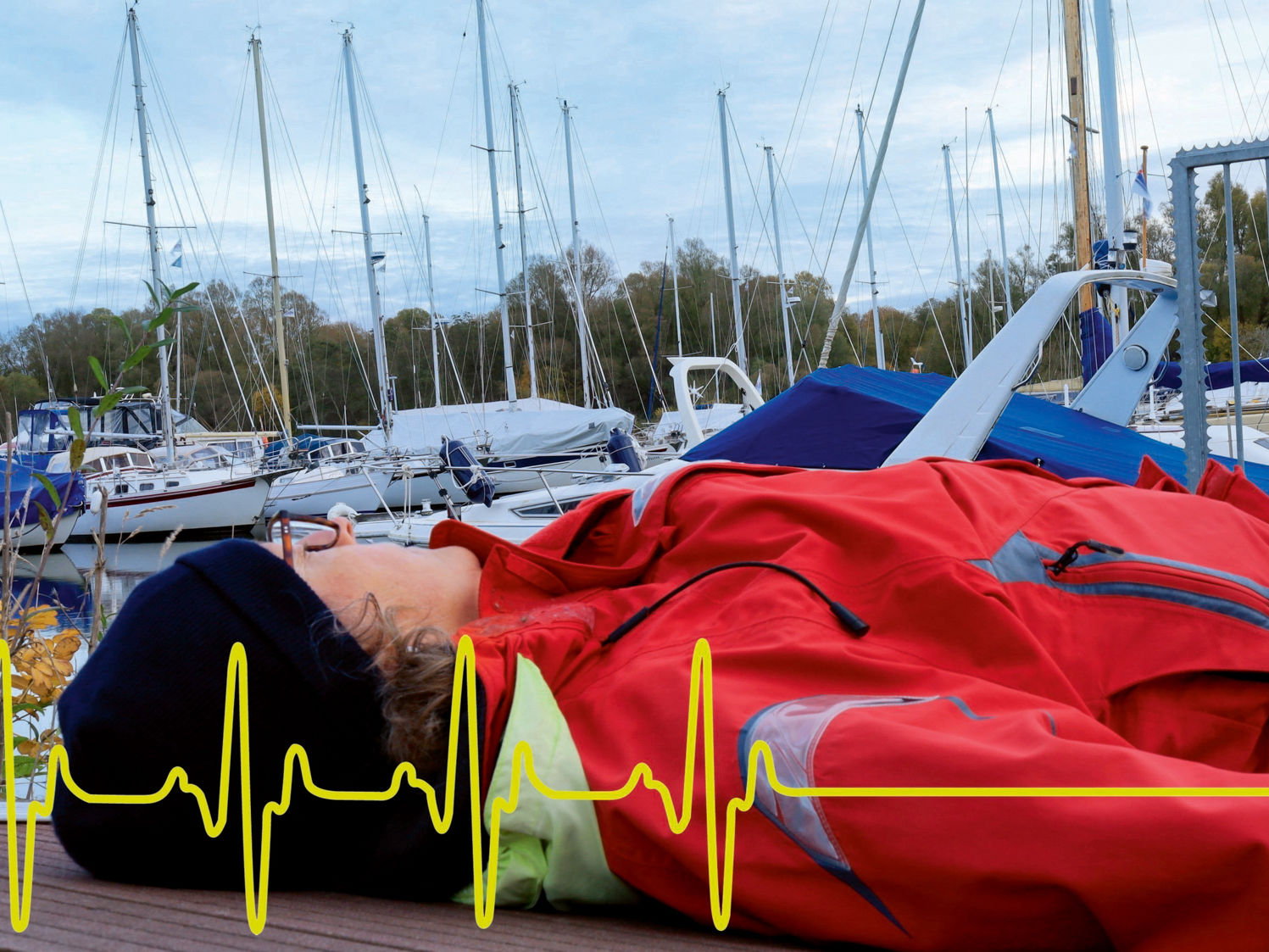
When people think about boating safety, they often focus on life jackets, flares, VHF radios, and EPIRB emergency beacons. While these are essential, another piece of equipment can mean the difference between life and death: an Automated External Defibrillator (AED).
A defibrillator is designed to help someone experiencing sudden cardiac arrest by delivering a controlled electric shock to restore a normal heart rhythm. On a boat, where medical assistance may be miles away, having an AED on board can dramatically increase a person's chances of survival.
The Reality of Medical Emergencies at Sea
Boating attracts people of all ages, including many with underlying heart conditions. Physical exertion, stress, extreme temperatures, dehydration, or existing cardiovascular issues can trigger a cardiac event without warning.
Unlike emergencies on land, help cannot always arrive quickly on the water. Even in busy coastal areas, emergency responders may be delayed by distance, weather, mobile phone or VHF radio reception, or limited access to the vessel. In cases of sudden cardiac arrest, every minute matters.
Every Minute Counts
When a person suffers sudden cardiac arrest, their heart stops pumping blood effectively to the brain and vital organs. Survival rates decrease by approximately 7% to 10% for every minute that passes without defibrillation and CPR.
On a boat, emergency medical services may take significantly longer than in urban environments to reach the patient. An onboard AED enables immediate action while waiting for professional medical assistance, potentially saving precious minutes that can determine the outcome.
Easy to Use, Even Without Medical Training
Modern AEDs are specifically designed for use by ordinary people. They provide clear voice and visual instructions, guiding users through every step of the process.
The device automatically analyzes the patient's heart rhythm and will only deliver a shock if one is needed. This makes AEDs safe and accessible for boat owners, crew members, fishing operators, charter businesses, and recreational boaters alike.
Enhanced Safety for Everyone On Board
A defibrillator does not only protect the boat owner. It can be used to assist:
- Family members
- Friends and guests
- Passengers on charter vessels
- Fishing crew members
- Marina visitors
- Nearby boaters in distress
In many cases, a vessel equipped with an AED can become a vital resource during emergencies involving other boats or waterfront activities.
Peace of Mind for Boat Owners
Knowing that your vessel is prepared for a life-threatening cardiac emergency provides confidence for everyone on board. Just as life jackets are carried in case someone falls overboard, an AED is a precaution for a medical emergency that cannot always be predicted.
For boat owners who frequently take longer offshore trips, participate in fishing tournaments, operate charter vessels, or cruise in remote areas, an AED can be one of the most valuable investments in safety equipment.
Supporting a Complete Emergency Response Plan
An AED should be part of a broader onboard safety strategy that includes:
- CPR training for crew members
- First aid kits
- Reliable communication equipment
- Emergency position-indicating devices
- Clearly documented emergency procedures
Together, these measures create a more effective response system when emergencies occur.
Conclusion
A sudden cardiac arrest can happen anywhere, including on the water. The unique challenges of boating, such as distance from emergency services and longer response times, make immediate intervention critical. By carrying a defibrillator on board, boat owners equip themselves with a proven tool that can save lives when every second counts.
Investing in an AED is not just about complying with safety best practices. It is about protecting the people who matter most and ensuring that a day on the water does not turn into a tragedy. When lives are at stake, having a defibrillator on your boat can make all the difference.