

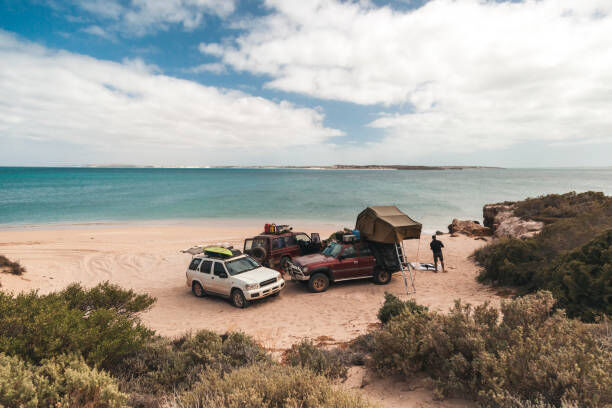
When planning a camping trip, most of us focus on the "big three": shelter, food, and water. We pack satellite messengers, first aid kits for scrapes, and extra layers for unpredictable weather. Yet one piece of life-saving equipment rarely makes the list, despite being one of the most critical: the Automated External Defibrillator (AED).
Sudden Cardiac Arrest (SCA) doesn't wait for mobile phone / cell service, and it certainly doesn't wait for an ambulance. Here is why adding a portable AED to your gear list is a responsible action.
Bridging the "Time Gap" in Remote Areas
In urban environments, emergency services can often arrive within 20 minutes. In the wilderness, that window can stretch into hours—or worse, be delayed by difficult terrain and weather.
A life-changing choice for your next adventure.
Built for the Elements
Modern AEDs are a far cry from the bulky hospital equipment of the past. Today’s portable models are:
-
Compact: Many are no larger than a lunchbox, fitting easily into a 4WD, caravan, or even a well-organised hiking pack.
-
Durable: Designed for "rugged" use, they often come in impact-resistant, waterproof cases to handle dust, drops, and moisture.
-
User-Friendly: You do not need to be a medical professional to operate one. They feature clear voice prompts that walk you through every step—from pad placement to delivering a shock (only if needed).
Safety Beyond the Campsite
Cardiac arrest is an electrical malfunction of the heart; it can strike anyone—regardless of fitness level or age—due to triggers like strenuous activity, heat exhaustion, or even minor accidents. Carrying an AED transforms your group from passive observers into active responders. It offers "peace of mind," allowing you to focus on the serenity of the bush rather than the anxiety of "what if".
Quick Tips for Wilderness AED Use
If you find yourself needing to use an AED in a remote setting, remember these critical steps:
The Bottom Line
Packing an AED isn’t about expecting the worst; it’s about being prepared for anything. When you head into the great outdoors, the most important souvenir you can bring back isn’t a photo or a story—it’s your entire group, safe and sound.